Why Are More People Becoming Interested in Divine Feminine Energy Today?
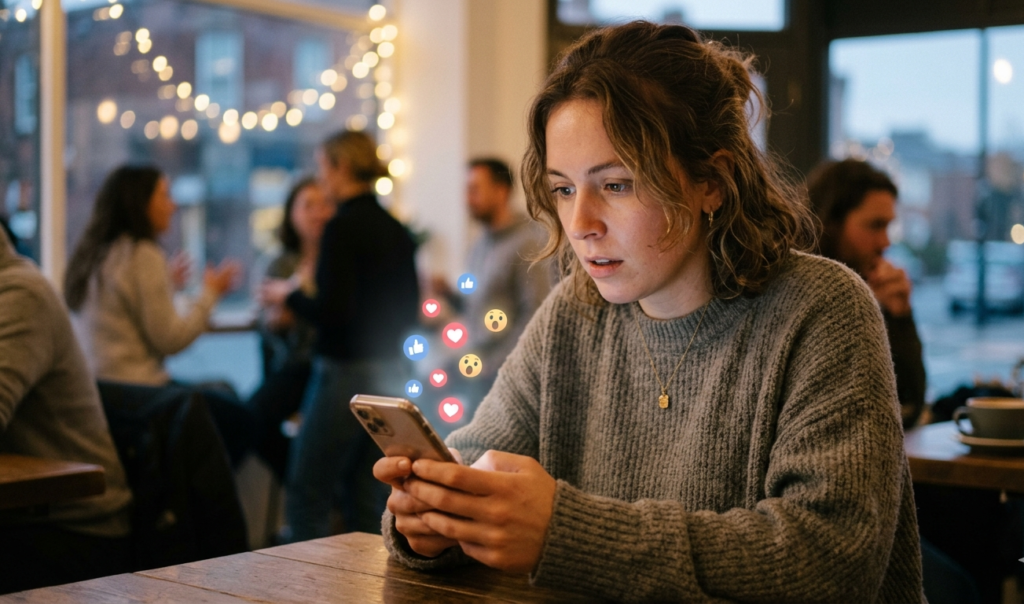
Many people are becoming interested in divine feminine energy because they are searching for emotional balance in a world that increasingly rewards constant productivity, independence, speed, and performance over inner well-being.
The growing interest in divine feminine energy reflects a deeper desire for emotional grounding, self-worth, healthier relationships, inner peace, and a more sustainable way of living. Even people who appear successful and highly capable externally often describe feeling emotionally overwhelmed, mentally overstimulated, and disconnected from themselves internally.
Human nervous systems are not designed for continuous stress, digital stimulation, emotional suppression, and constant performance pressure. When emotional needs such as connection, rest, self-expression, and psychological safety remain unmet for long periods, the body can shift into chronic stress patterns that increase mental fatigue and emotional exhaustion.
Recent psychological research suggests that emotional overload is influenced not only by workload but also by social expectations, caregiving responsibilities, digital overstimulation, and the pressure to remain constantly resilient.
The American Psychological Association has reported that women consistently experience higher levels of stress and emotional strain, with many describing the expectation to stay strong even during periods of internal exhaustion. A global workplace mental health findings linked rising emotional fatigue to chronic overstimulation, reduced recovery time, and difficulty emotionally disconnecting from daily demands.
For many people, interest in divine feminine energy is not about trends, aesthetics, or rejecting ambition. It is about reclaiming emotional qualities that modern life often neglects.
Many people are beginning to question whether constant productivity, emotional self-reliance, and external achievement alone can create lasting well-being. As stress, burnout, loneliness, and emotional exhaustion continue to rise, people are increasingly searching for approaches that support greater emotional balance and inner stability.
The renewed conversation around divine feminine energy reflects a growing understanding that external success feels incomplete when emotional well-being is consistently sacrificed in the process.
What Does Divine Feminine Energy Actually Mean?
Divine feminine energy is not simply about being “feminine” in appearance, personality, or gender roles. In spiritual and psychological discussions, it is often described as the part of human nature connected to emotional depth, inner awareness, compassion, intuition, emotional healing, nurturing connection, and the ability to create emotional safety within relationships and within oneself.
Ancient traditions used symbolic language like Shakti, sacred feminine presence, or divine feminine consciousness to describe this life-supporting emotional and creative force. The idea was not that women are “better” than men, but that human life becomes emotionally imbalanced when qualities like empathy, emotional presence, receptivity, care, and inner softness are constantly suppressed or treated as weakness.
This is why divine feminine energy is increasingly being discussed today not only spiritually, but psychologically. Many people are realising that modern life has become highly focused on performance, pressure, independence, and emotional control, while emotional nourishment, nervous system balance, and healthy emotional connection are often neglected.
In simple terms, divine feminine energy represents the restoration of emotional balance in a world that has become emotionally overstimulated and psychologically disconnected from inner well-being.
4 Signs Modern Life Is Creating Emotional Imbalance
This is exactly why conversations around divine feminine energy are growing again, because many of the emotional qualities associated with it are the same qualities modern life has slowly started neglecting.
Modern culture often conditions people to admire emotional toughness while quietly neglecting emotional restoration. Over time, this creates an unhealthy imbalance between external performance and internal well-being.
A 2024 global workplace mental health report published by Deloitte and Workplace Intelligence found that large numbers of adults across multiple age groups reported rising emotional fatigue, chronic stress, mental overload, and difficulty emotionally disconnecting from work and digital stimulation even after rest hours ended. Researchers increasingly associate this pattern with constant overstimulation, emotional suppression, social comparison, and the pressure to remain continuously productive.
Many people today silently experience patterns like:
1. People Feel Emotionally Needed but Rarely Emotionally Supported
Many people spend large parts of their lives managing responsibilities, solving problems, supporting others, and remaining available emotionally, yet still feel internally unsupported themselves. Over time, this creates quiet emotional depletion that external success alone cannot repair.
2. Softness Is Often Respected Spiritually but Rejected Socially
Modern culture frequently praises compassion, empathy, emotional understanding, and nurturing qualities in theory while rewarding emotional hardness, detachment, and constant performance more visibly in real life. This contradiction slowly conditions people to disconnect from emotional softness even when they deeply need it internally.
3. Self-Worth Is Increasingly Built Around Validation Instead of Inner Stability
Many people today unconsciously begin measuring their value through appearance, productivity, attention, desirability, or external approval rather than emotional grounding, self-respect, or inner emotional health. This creates emotional instability that constantly depends on outside reassurance.
4. Relationships Are Becoming More Connected Digitally but Less Emotionally Safe
Despite constant communication, many relationships now struggle with emotional presence, deep listening, patience, vulnerability, and emotional reassurance. People may remain socially connected while still feeling emotionally unseen, emotionally guarded, or psychologically distant inside relationships.
Why Do So Many People Still Misunderstand Divine Feminine Energy?
One of the biggest reasons conversations around divine feminine energy create confusion today is because the term is often reduced to aesthetics, trends, relationship advice, or surface-level femininity instead of being understood as a deeper emotional and psychological principle connected to human balance itself.
For some people, feminine energy has been reduced to appearance, softness, dating dynamics, or social media performance. For others, it is dismissed entirely as unrealistic spirituality. But historically, the idea was never simply about how someone looks, dresses, speaks, or behaves externally.
Ancient philosophical traditions, relational psychology, and even modern emotional intelligence research all point toward a similar observation: human beings psychologically function better when emotional awareness, empathy, relational presence, emotional safety, and healthy emotional expression are not constantly suppressed or undervalued within society.
How Did Emotional Softness Start Getting Treated Like Weakness?
One of the most damaging cultural shifts in modern society is that emotional hardness is often rewarded more visibly than emotional awareness.
From early stages of life, many people are conditioned to associate maturity with emotional control rather than emotional understanding. Over time, this creates environments where vulnerability becomes uncomfortable, emotional sensitivity becomes embarrassing, and emotional expression is treated as something people should “manage privately” instead of process healthily.
A 2023 study published in the Journal of Personality and Social Psychology found that individuals who regularly suppressed emotional expression showed higher stress reactivity, lower relationship satisfaction, and increased psychological strain over time compared to those who processed emotions more openly and constructively.
The result is not stronger human beings.
The result is often emotionally disconnected human beings who struggle to communicate honestly, regulate stress healthily, or maintain emotionally safe relationships.
4 Ways Modern Culture Quietly Undervalues Feminine Emotional Qualities
The misunderstanding around divine feminine energy becomes more visible through everyday social conditioning patterns that many people no longer consciously question.
1. Emotional Care Is Often Treated as Less Valuable Than Visible Achievement
Modern environments usually celebrate measurable success more openly than emotional contribution. Listening, emotional support, relationship maintenance, empathy, caregiving, and emotional presence are psychologically demanding forms of labor, yet they are often treated as secondary compared to external productivity.
2. Many Men Are Taught to Suppress Emotional Sensitivity Early
In many cultures, boys grow up hearing messages that emotional vulnerability makes them weak, overly emotional, or less masculine. Over time, this conditioning can reduce emotional openness, emotional communication skills, and relational vulnerability in adulthood.
3. Many Women Are Conditioned to Tie Worth to External Validation
Many women grow up under constant pressure connected to appearance, approval, emotional accommodation, perfectionism, or social expectations. This often creates a damaging cycle where self-worth slowly becomes dependent on validation rather than inner emotional stability.
4. Relationships Become Performance-Based Instead of Emotionally Safe
When emotional presence and emotional understanding are undervalued collectively, relationships slowly become more transactional, emotionally guarded, or performance-driven. People may remain connected socially while still feeling emotionally unseen within their closest relationships.
Why Does This Matter Beyond Spirituality?
The deeper discussion around divine feminine energy is not only about spirituality, symbolism, or gender identity. It is also about what kind of emotional culture human beings are collectively creating.
When emotional intelligence, empathy, nurturing presence, intuition, emotional honesty, and psychological softness are continuously dismissed as weakness, societies slowly become more emotionally reactive, relationally disconnected, and psychologically exhausted even while appearing highly functional externally.
This is why many psychologists, relationship experts, and modern spiritual thinkers increasingly believe emotional balance is not a luxury within healthy human life.
It is part of what allows human beings to feel emotionally safe, internally connected, and psychologically alive in the first place.
Why Do People Still Ask “What Does Feminine Energy Bring to Life?”
One of the strangest contradictions in modern society is that people continue benefiting emotionally from feminine energy every single day while simultaneously undervaluing the very qualities that make human life feel emotionally alive, relationally meaningful, and psychologically nurturing in the first place.
Why Is Divine Feminine Energy Considered Important in Human Life?
Divine feminine energy is becoming an important conversation again because many people are starting to realize that human life does not survive on achievement alone.
People also need emotional connection, inner warmth, belonging, affection, beauty, companionship, emotional safety, intimacy, and meaningful relationships to feel mentally alive.
When these qualities slowly disappear from daily life, societies may continue functioning externally, but internally people often begin feeling emotionally disconnected, lonely, emotionally exhausted, or psychologically empty.
What Would Human Life Feel Like Without Feminine Emotional Energy?
Imagine a world where human beings could work, earn money, compete, and survive physically, but could no longer experience emotional warmth, nurturing presence, deep companionship, softness, celebration, affection, emotional understanding, or the feeling of being emotionally cared for by another human being. Life would still continue mechanically, but much of its emotional color would slowly disappear.
Many of the moments people remember as emotionally meaningful in life are deeply connected to feminine emotional qualities that create human bonding and emotional fulfillments.
5 Human Experiences That Give Emotional Colour to Life
1. Emotional Safety in Relationships
People emotionally open up more deeply when they feel emotionally accepted rather than constantly judged or emotionally guarded.
2. Motherhood and Nurturing Presence
One of the earliest emotional experiences most humans receive in life is care, protection, and emotional soothing through nurturing connection.
3. Love, Companionship, and Intimacy
Human beings naturally seek emotional closeness, affection, partnership, and meaningful companionship throughout life, not only external success.
4.Celebration, Beauty, and Emotional Expression
Music, emotional storytelling, festivals, emotional connection, aesthetic beauty, romance, tenderness, and emotional openness all contribute to psychological richness in human life.
5. Emotional Healing and Belonging
Research in emotional neuroscience repeatedly shows that emotionally supportive human connection plays a major role in stress regulation, emotional resilience, and long-term mental well-being.
A 2023 report from the discussing loneliness and social disconnection highlighted that emotional isolation is increasingly becoming a major global mental health concern, especially in modern fast-paced societies.
Why Do Many Ancient Traditions Associate Feminine Energy With Creation and Harmony?
In many ancient traditions, feminine energy was not viewed as weakness. It was viewed as the force that sustains emotional harmony, relational balance, nourishment, beauty, prosperity, creation, and human continuity itself.
In Hindu philosophy, even divine masculine forms are rarely shown as complete without Shakti, because Shakti represents the active life force through which creation, movement, nurturing, and manifestation become possible. This is why goddesses like Laxmi, Saraswati and parvati are associated with prosperity, wisdom, emotional balance, nourishment, and sustaining life itself.
The symbolic idea behind these traditions was not simply worship. It was the understanding that human civilization cannot remain emotionally healthy if emotional nurturing, compassion, relational harmony, and emotional wisdom disappear from society.
Why Is Modern Society Becoming Emotionally Confused About Feminine Value? 4 Modern Patterns That Are Creating Emotional Imbalance
One major contradiction in modern culture is that society continues benefiting from feminine emotional energy every single day while often undervaluing the deeper human importance behind it.
1. Emotional Labor Is Expected but Rarely Acknowledged
In many families and relationships, emotional support, emotional caregiving, relationship maintenance, and emotional nurturing are often expected naturally but are not equally recognised as psychologically valuable contributions.
2. Appearance Is Sometimes Valued More Than Emotional Presence
Many women today grow up receiving stronger social validation for beauty, attractiveness, or external image than for emotional wisdom, emotional intelligence, nurturing depth, or psychological strength.
3. Emotional Softness Is Mistaken for Weakness
Modern environments often reward emotional hardness, hyper-independence, and emotional suppression while treating emotional sensitivity as less powerful or less valuable.
4. Society Symbolically Worships Feminine Energy but Often Neglects Women Emotionally and Socially
Many cultures publicly respect feminine divinity symbolically through rituals, traditions, or spiritual language while real-world issues like emotional neglect, domestic violence, abuse, objectification, dowry pressure, and psychological devaluation still continue in many environments.
According to the , violence against women remains one of the most widespread human rights challenges globally, with millions of women experiencing physical or emotional abuse during their lifetime. Researchers in social psychology have also repeatedly linked emotionally unsafe environments with long-term anxiety, emotional suppression, relational instability, and reduced psychological well-being across societies.
Why Are People Talking About Divine Feminine Energy Again?
The growing conversation around divine feminine energy is not simply about gender.
Modern society has become highly connected digitally while becoming emotionally disconnected humanly.
That is why many people today are beginning to revisit the deeper importance of feminine emotional qualities, not as weakness, but as an essential part of a healthy human civilization.
How Can People Reconnect With Divine Feminine Energy in Modern Life?
Divine feminine energy is not rebuilt through slogans, aesthetics, or surface-level empowerment trends. It returns when people begin creating healthier emotional environments in everyday life again. After years of performance-driven living, emotional burnout, relationship disconnection, and rising loneliness, many people today are slowly realising that emotional softness, care, respect, inner stability, and human warmth are not weaknesses to suppress.
They are qualities that help relationships survive, families stay emotionally healthy, and society remain emotionally human. This is why conversations around divine feminine energy are now moving from spiritual spaces into psychology, wellness, parenting, relationship research, and modern lifestyle discussions.
2 Practical Shifts Modern Families Can Make to Restore Emotional Balance
The healthiest modern environments are not always the most productive ones. Research from the Harvard Study of Adult Development continues to show that long-term emotional well-being is strongly connected to supportive relationships, emotional safety, and social connection rather than external success alone. This is exactly where divine feminine qualities become practical again in daily life instead of sounding abstract or symbolic.
The first shift begins inside childhood itself.
Many boys and girls still grow up hearing phrases that emotionally harden them before adulthood even begins. Boys are often discouraged from emotional openness while girls are subtly taught to attach self-worth to appearance, approval, or external validation. Healthier emotional development begins when both are encouraged to communicate feelings safely, build emotional intelligence, and respect softness without shame.
The second shift begins inside relationships and marriages.
Emotional labor has silently become one of the largest invisible burdens in modern households. According to research published by the American Sociological Association, unequal emotional and household responsibility significantly increases stress and relationship dissatisfaction over time. Small practical support systems matter more than people realize. Even simple efforts that reduce daily overload can create healthier emotional balance inside homes again.
This is why many families today are increasingly investing in practical support tools that reduce constant mental and physical exhaustion for women balancing work, caregiving, parenting, and household management together. Products like robotic vacuum cleaners or smart voice-assistant systems are becoming popular not only for convenience, but because they help reduce repetitive daily strain and create more emotional breathing space inside modern homes.
Why Women Also Need to Stop Measuring Their Worth Externally
One of the biggest misunderstandings modern culture created around feminine energy is the idea that feminine value exists only through beauty, attraction, perfection, or external validation. This pressure has deeply affected emotional self-worth for many women across generations.
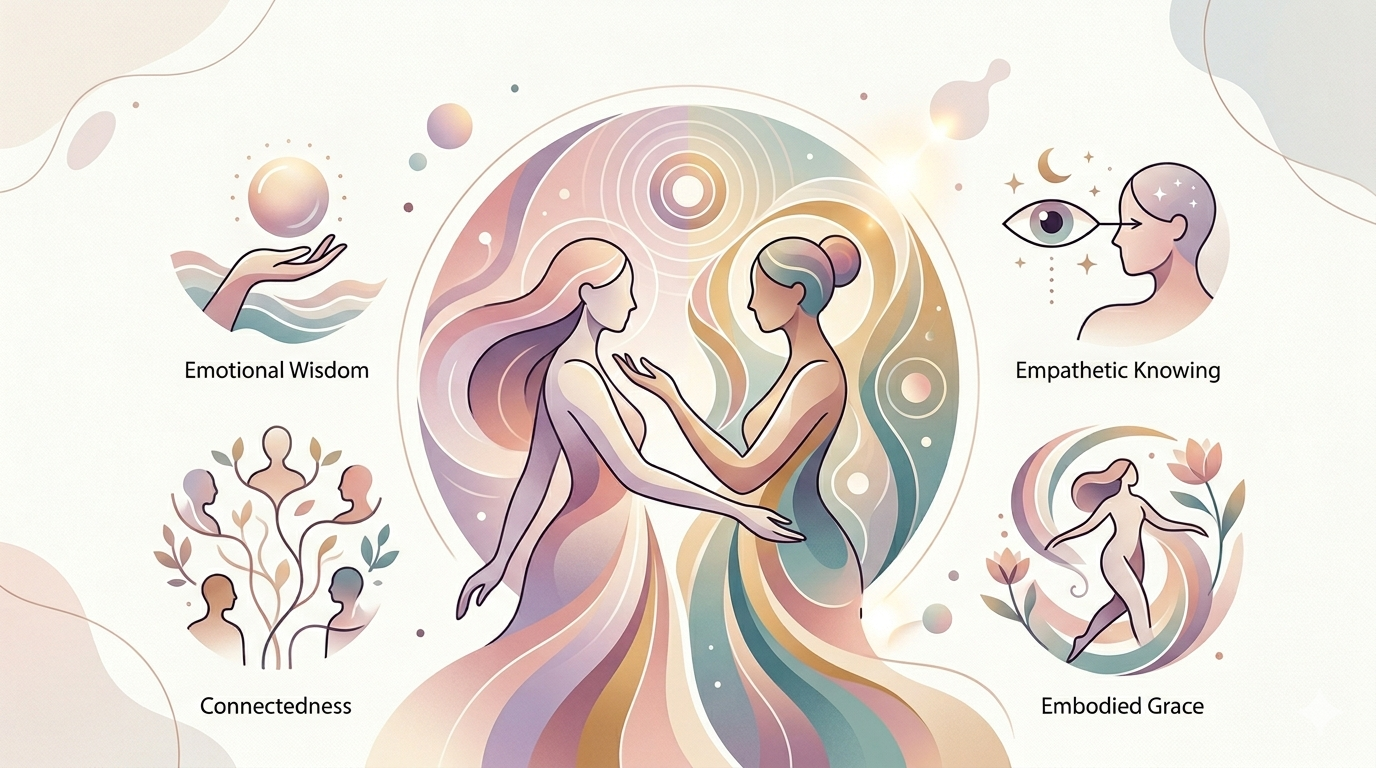
Real feminine strength was never only about appearance. Ancient traditions across cultures associated feminine energy with emotional wisdom, intuition, emotional connection, nourishment, creativity, compassion, resilience, and the ability to emotionally hold relationships and communities together. Reducing feminine worth only to external standards slowly disconnects women from their deeper emotional identity itself.
This is why emotional self-respect matters now more than ever. A woman does not become valuable only when she looks perfect, performs perfectly, or constantly proves herself. Human value already exists within emotional presence, intelligence, emotional contribution, care, wisdom, creativity, and inner strength. The more society reconnects with this understanding, the healthier emotional environments become for both women and men together.
4 Small Daily Habits That Quietly Strengthen Emotional Softness Again
Modern life often trains people to stay constantly stimulated but emotionally disconnected from themselves. Rebuilding emotional softness requires small repeated habits, not dramatic lifestyle changes.
1. Create Emotionally Present Conversations
The first habit is creating emotionally present conversations again. Listening carefully without immediately judging, fixing, or dismissing emotions helps relationships regain emotional safety.
2. Stop Glorifying Emotional Coldness
Modern culture often praises emotional detachment as maturity, strength, or intelligence. But constantly suppressing care, softness, emotional warmth, empathy, and emotional expression slowly damages relationships and emotional trust over time. Emotionally healthy people are not emotionless people. They are people who can stay emotionally open without feeling ashamed of it.
3. Appreciate Emotional Contribution Openly
The third habit is appreciating emotional contribution openly. Many emotionally supportive actions inside families and relationships often go unnoticed because they are treated as expected responsibilities instead of meaningful emotional work.
4. Allow Emotional Expression Without Shame
The fourth habit is allowing emotional expression without attaching shame to it. Emotionally healthy societies are not built by suppressing feeling completely. They are built when people learn emotional regulation while still remaining emotionally alive and connected.
Conclusion: Why This Conversation Matters Beyond Gender
Divine feminine energy is not about proving one gender superior to another. It is about restoring emotional qualities modern society slowly started neglecting while chasing performance, productivity, and external validation alone.
A society may become technologically advanced without emotional balance. But it cannot remain emotionally healthy without care, connection, emotional safety, companionship, empathy, love, and human warmth.
That is why more people today are beginning to revisit divine feminine energy not as symbolism, but as an essential emotional foundation for healthier human civilisation again.